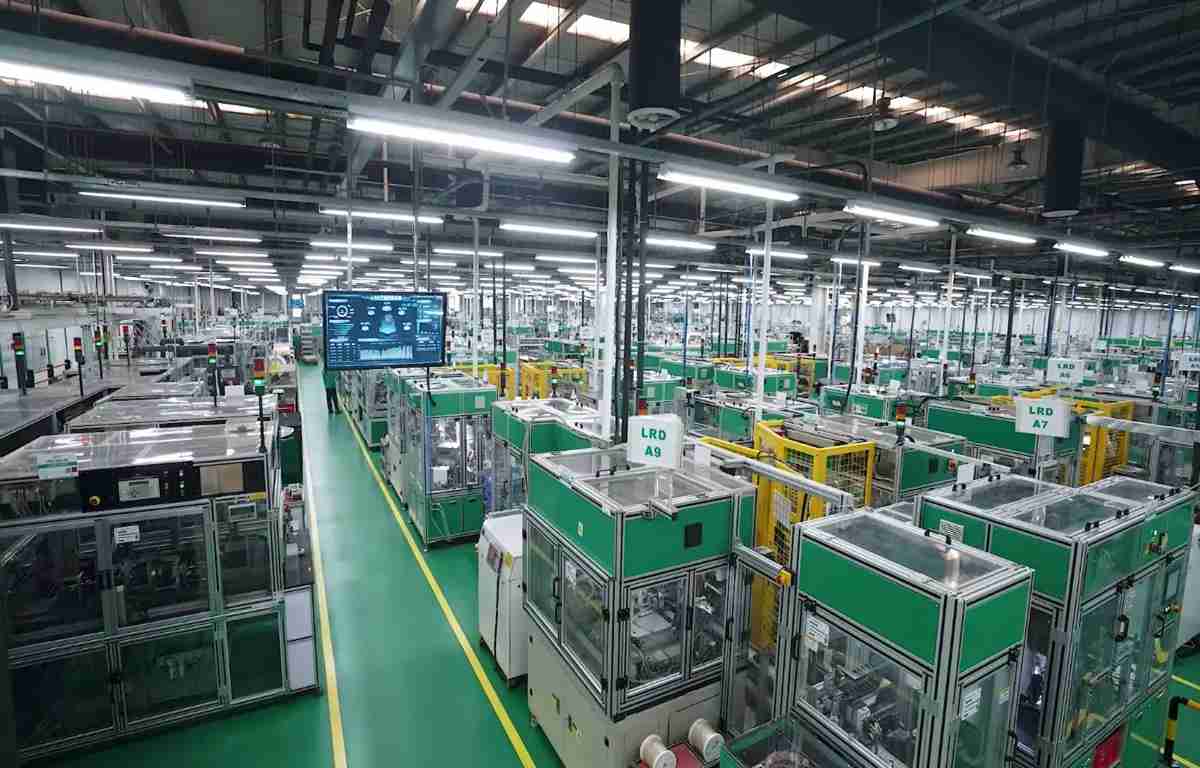
CNC machining has become the dominant manufacturing method for high-performance precision mechanical hardware parts. From simple custom dowel pins to complex manifold blocks and thin-wall brackets, computer-controlled subtractive machining delivers repeatable accuracy that traditional manual machining cannot match. For industrial buyers and mechanical designers, knowing the strengths of each CNC process helps you select the right production route, control cost and avoid manufacturability mistakes at the drawing stage.
The most widely used two processes are CNC turning and CNC milling. CNC turning is ideal for rotary hardware: shafts, stepped pins, threaded sleeves, nuts, bushings and rolling mandrels. The workpiece spins while fixed cutting tools remove material, creating excellent concentricity and smooth outer/inner cylindrical surfaces. It is fast and cost-effective for medium and high-volume rotary precision hardware. CNC milling, by contrast, moves cutting tools along multiple axes against stationary blanks. It suits non-round hardware such as mounting plates, fixture blocks, irregular brackets, multi-hole connector bases and parts with slots, pockets and angled features. 3-axis milling covers most simple custom hardware, while 4-axis and 5-axis milling handle complex undercuts, compound angles and deep internal structures in one clamping setup.
When even higher accuracy and better surface finish are needed, precision grinding comes into play. Surface grinding, cylindrical grinding and internal grinding are used for mating faces, bearing bores and sealing planes that require flatness and low Ra roughness. Many sliding hardware components need Ra 0.4 μm or finer ground finish to minimize friction and prevent leakage. Wire-cut EDM is another special process for ultra-hard materials and thin, intricate shapes. It uses continuous electrical spark erosion instead of physical cutting tools, so there is no cutting force to deform tiny fragile hardware. EDM is popular for thin locating blades, narrow slots and micro hardware used in semiconductor test fixtures.
One big advantage of CNC-machined precision hardware is material flexibility. You can machine nearly all solid engineering metals and many high-performance plastics, unlike stamping which is limited to thin sheet stock. Designers can switch between aluminum for lightweight hardware, stainless steel for corrosion resistance, alloy steel for high strength, brass for electrical conductivity and PEEK plastic for non-magnetic medical hardware.
Still, CNC machining has limits. Deep tiny holes, extremely thin walls and sharp internal corners raise machining difficulty and unit price. Experienced precision hardware suppliers will provide DFM (design for manufacturability) feedback before formal production: adding corner radii, adjusting hole depth ratio, simplifying clamping positions, and splitting over-complex single parts into sub-assemblies.
Quality control runs through the whole CNC workflow. After machining, inspectors use calipers, micrometers, thread gauges, height gauges and CMM coordinate measuring machines to verify critical dimensions. Surface treatment follows inspection, then final cleaning and packaging to avoid scratches and contamination, which matters greatly for cleanroom and medical-grade precision hardware.
Whether you need prototype hardware for R&D or mass batches for automated production lines, CNC machining remains the most reliable solution for custom precision mechanical hardware. Clear communication of tolerance, surface finish and material requirement between your engineering team and the hardware maker directly decides the success of your component project.
发表回复